窈窕淑女
坂本花織がつくり出した“平和な一枚”に中国メディア賛辞「これは忘れられない」引退撤回を求める声も【冬季五輪】_我的网站

A |
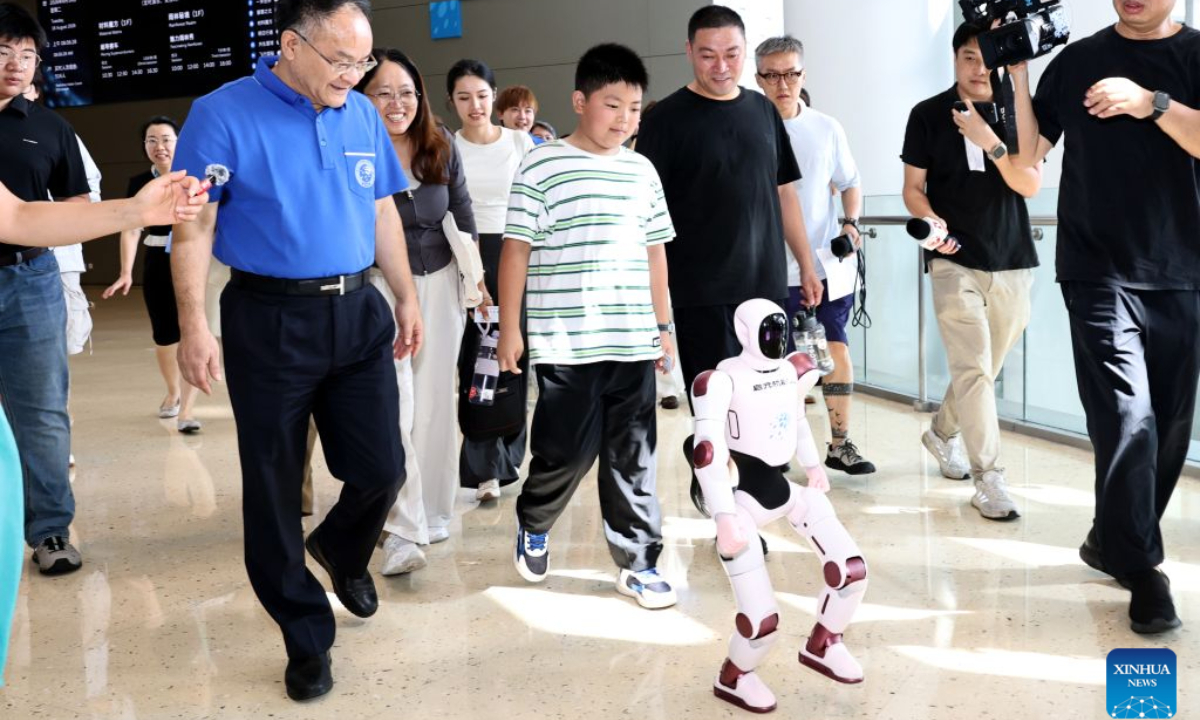
Zhang Zhiheng (C, front), the one hundred millionth visitor of Shanghai Science and Technology Museum, walks with his parents and museum director Ni Minjing (1st L, front) for a themed event at the museum in Shanghai, east China, Aug. 18, 2026. The number of visits to Shanghai Science and Technology Museum exceeded 100 million on Tuesday since its opening in 2001. It is a comprehensive science and technology museum complex that integrates a science and technology museum, a natural history museum, and a planetarium. (Xinhua/Fang Zhe)The Shanghai Science and Technology Museum welcomed its 100 millionth visitor on Tuesday, as a growing number of travelers are looking to make science and technology a part of their holidays.
Zhang Zhiheng, a boy from east China's Shandong Province, was the landmark visitor. He visited the museum with his parents on the second day of his first trip to Shanghai.
Since opening its doors to the public in late 2001, the museum has grown into one of China's most popular science and education destinations. Through a wide range of science and technology activities and programs, it remains dedicated to boosting public scientific literacy and sparking curiosity in visitors of all ages.
After being closed for over two years for upgrading, the museum reopened early this year. It now also includes two branches: the Shanghai Natural History Museum and the Shanghai Astronomy Museum.
Back in 2001, the proportion of Chinese citizens with scientific literacy was only 1.4 percent, and the figure had risen to 16.74 percent by 2025, according to official data.
As public interest in science has grown, visits to science and technology museums have increasingly become part of everyday life.
For many families, museums have become a popular destination during holidays and weekends, offering children opportunities to expand their knowledge and broaden their horizons.
"The biggest change I feel during my museum visits is that science and technology keep advancing," said Zheng Qina, a post‑90s visitor from Shanghai. She was nine years old when she visited the museum in 2001. Today, her five‑year‑old son is also a regular visitor.
The trend is also extending to international travelers. With China's inbound tourism gaining momentum following eased visa policies, science museums have emerged as an increasingly popular destination for overseas visitors seeking a closer look at the country's technological development.
From January to July this year, the Shanghai Science and Technology Museum and its two branches received nearly 200,000 foreign visitors, accounting for nearly 5 percent of the total visitor numbers.
Francisco and his parents, a family from Italy, were among the visitors on Tuesday. After touring an exhibition on green energy, Francisco said he was deeply impressed by displays showcasing China's nuclear and hydrogen energy technologies.
In recent years, China has made major advances in fields ranging from artificial intelligence and humanoid robots to quantum science, green energy, space technology, life sciences and physical sciences. Science and technology museums offer visitors an opportunity to explore some of these developments through exhibitions and interactive experiences.
For Ni Minjing, director of the Shanghai Science and Technology Museum, a notable change among visitors is that they have shifted from passive recipients of knowledge to more active explorers of science.
"Teenagers in particular now have abundant channels to acquire knowledge. The role of science and technology museums can no longer be merely about resolving doubts," Ni said. "Instead, through diverse forms of science popularization, museums should inspire visitors, especially young people, to think and create."
"We will continue to innovate the way we popularize science, enrich science-related content, promote the spirit of scientists and foster a culture of innovation, so as to spark young people's curiosity, imagination and desire to explore," Ni added.
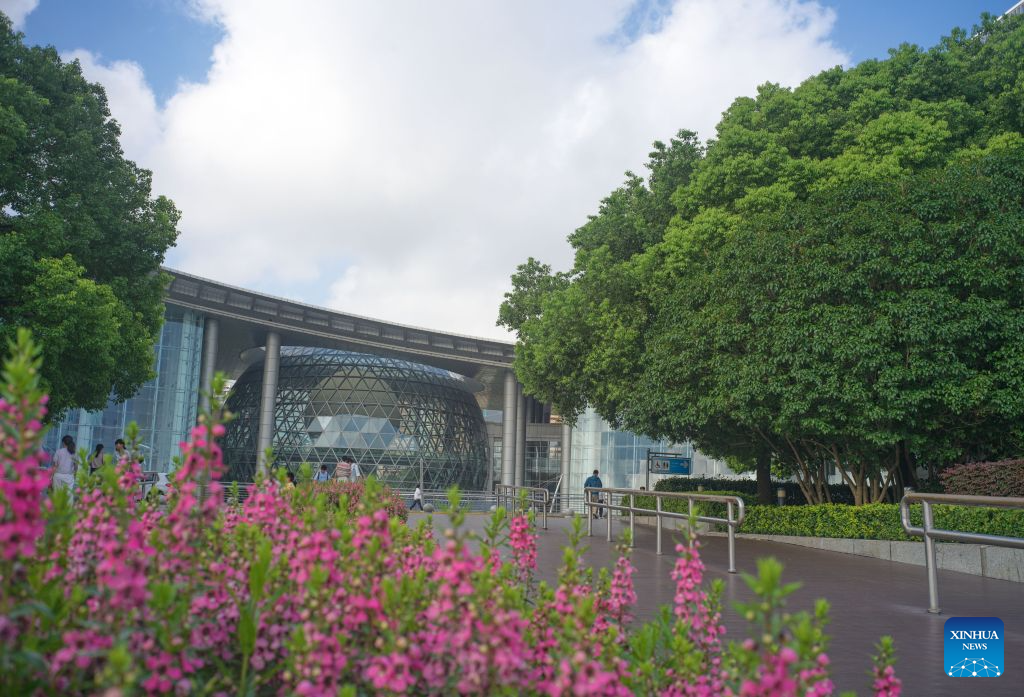
This photo taken on Aug. 18, 2026 shows an exterior view of Shanghai Science and Technology Museum in Shanghai, east China. The number of visits to Shanghai Science and Technology Museum exceeded 100 million on Tuesday since its opening in 2001. It is a comprehensive science and technology museum complex that integrates a science and technology museum, a natural history museum, and a planetarium. (Xinhua/Fang Zhe)
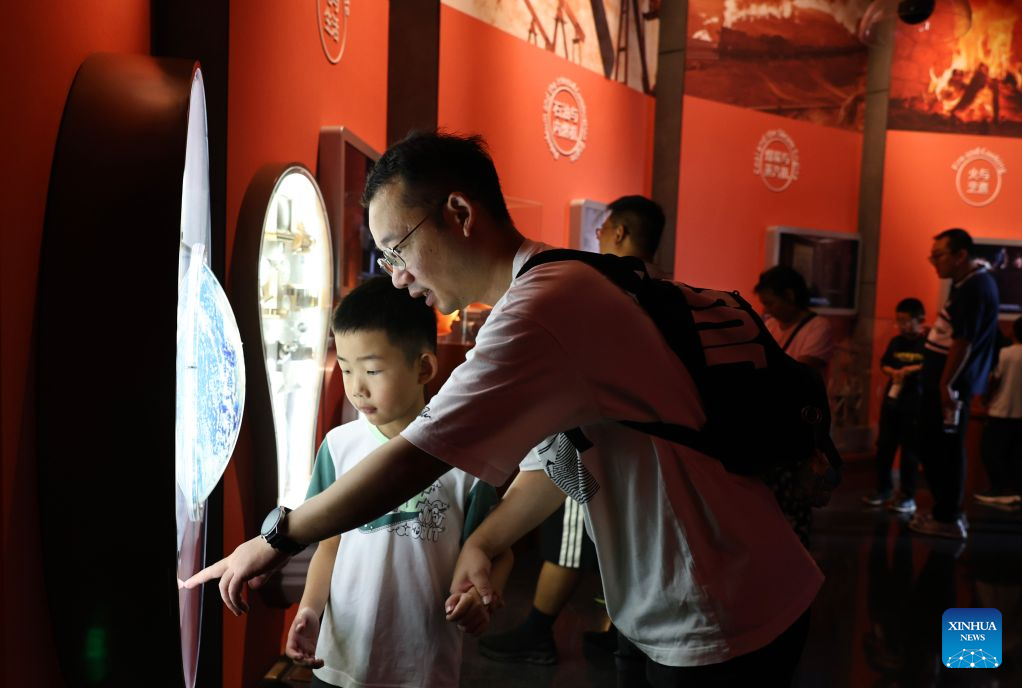
People visit the Shanghai Science and Technology Museum in Shanghai, east China, Aug. 18, 2026. The number of visits to Shanghai Science and Technology Museum exceeded 100 million on Tuesday since its opening in 2001. It is a comprehensive science and technology museum complex that integrates a science and technology museum, a natural history museum, and a planetarium. (Xinhua/Fang Zhe)
。 ミラノ・コルティナ五輪は現地2月21日(日本時間22日)、フィギュアスケートのエキシビションが行なわれた。フィナーレ後には今季限りで現役引退を表明している坂本花織が恒例の集合写真のカメラマンを買って出た。その光景は中国メディアから賛辞が送られた。【画像】中国メディアも絶賛した坂本のエキシビ集合カット 前回の北京五輪から2大会連続の表彰台となる銀メダルを獲得した坂本は、煌びやかシルバーの衣装で登場。

B | 新プログラム『ア・ミリオン・ドリームス』を披露。

C | 幅のあるダブルアクセル、3回転ループなどを跳び、曲に乗せて五輪ラストダンスを終えた。

D | エンディングでは参加したスケーターが全員がリンク中央に集合。スマートフォンで恒例のセルフィー写真には笑顔が溢れた。 この心温まるシーンには海外メディアも注目した。中国のスポーツメディア『CGTN Sports Scene』は、「エキシビションでの集合写真」と題し、「フィギュアスケートのミラノ・コルティナ五輪2026が幕を閉じた。これらスケーターたちのうち何人かは、オリンピックの氷上で見る最後の機会となるでしょう」と記し、記念カット4枚を投稿した。

E | この投稿には中国のファンからも賛辞が上がっており、「みんな素晴らしい笑顔」「これは忘れられない」「最高の一枚だ」などと反響が寄せられた一方、「カオリ辞めないで」「現役続けて」「その役割はあなたにしかできない」といった、引退を惜しむ声も見受けられた。 坂本は現地19日のフリー後、記者会見のなかで今後について尋ねられると、自らを指導してくれた中野園子コーチから「結果を受け入れて、次に自分が金メダリストを育てられるように頑張ろう」と声をかけてもらったと話し、「令和の中野先生、愛もあって厳しくできるコーチになりたい」と、指導者としてオリンピックの舞台に戻る夢を語った。

F | 構成●THE DIGEST編集部。
Current article:http://www.laojiusidaosenleliao.bond/list_vkii/d4i2nz.html
Published on:07:56:03


 洛阳长江发布两款 ADV 边三轮:700X 售 63800 元,KD250 售 29800 元起
 漳州探索小区管理平稳过渡新机制
 临平为长三角新消费企业筑起“凤凰巢”
 Russia taking heavy losses as it wages new offensive in Ukraine
 广发期货:负反馈和复产压力之下,PTA预期估值持续承压
 美媒:中国找到一个对抗美国的“意想不到的盟国”,不是俄伊朝