

一 | 三代国门下的坚守 ■李国栋 杨智博 解放军报记者 郑茂琦 北部战区陆军某旅“国门卫士模范连”官兵,在绥芬河国门前执行巡逻任务。彭旭日 摄 从黑龙江省哈尔滨市乘坐高铁一路向东,列车驶过牡丹江站后,海拔陡升。记者望向窗外,一座依山而建的边城轮廓渐渐清晰。 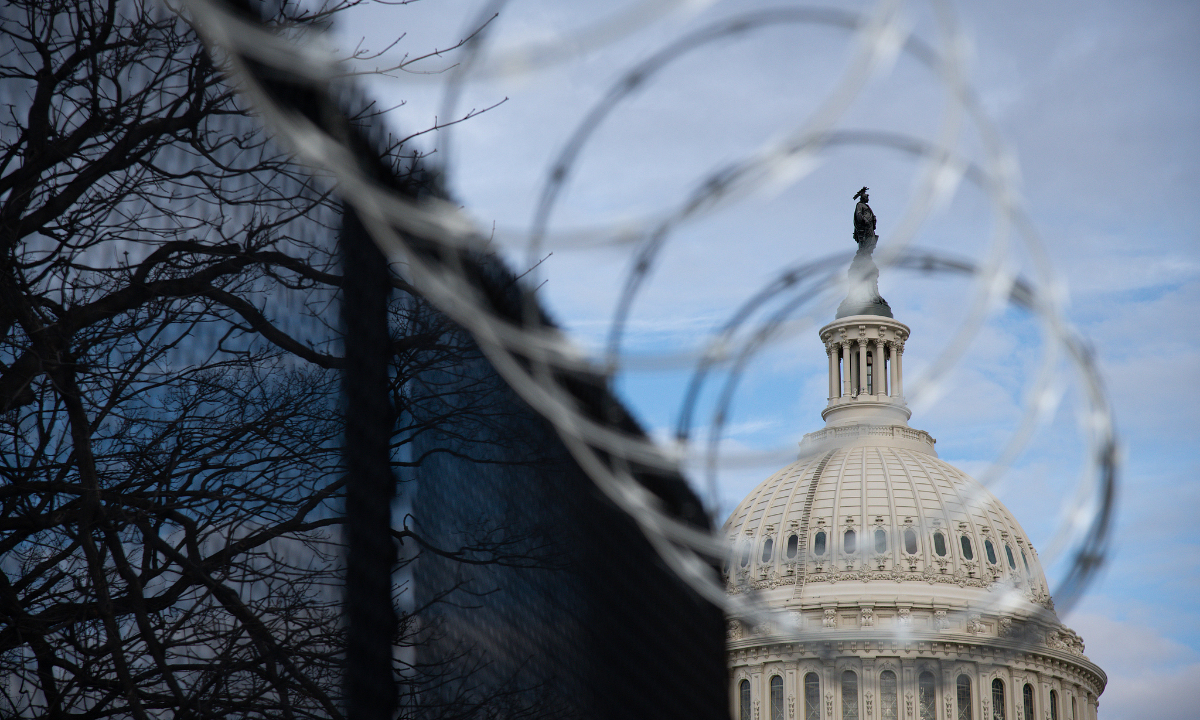
The US Senate on Friday overwhelmingly approved a bill that would impose sanctions on buyers of Russian oil, a measure that had long been championed by the late senator Lindsey Graham before his death last month, CNBC reported. A Chinese expert criticized the legislation, warning that if implemented, the bill, driven largely by political motives aimed at catering to US domestic political correctness, could severely disrupt the already fragile global energy market and economy. He also noted that the bill is essentially a tool of political coercion, weaponizing tariffs and unilateral sanctions to hijack normal global energy trade and override sovereign economic choices of independent nations.
The legislation, named The Lindsey O. Graham Sanctioning Russia and Iran Act of 2026, aims to hurt Russia's war effort in Ukraine by penalizing purchasers of Russian oil and Russian leaders. It passed with bipartisan support 86-11 and will now proceed to the House, which is on recess until September, per CNBC.
The bill would impose tariffs of up to 100 percent on countries that are among the top five purchasers of Russian crude oil or gas, which includes China and India.
It also includes sanctions targeting Russian leaders, officials, targeting Russian leaders, oligarchs and financial institutions. At the request of US President Donald Trump, the bill extends sanctions on Iran's weapons and energy sectors, CNBC reported.
Notably, the bill's excessive tariff discretion has sparked fierce internal doubts within US political circles. Representatives Gregory Meeks of New York and Don Beyer of Virginia said in a statement they still had "fundamental concerns" about the tariff powers for the president, who has made them a central piece of his "America First" approach to foreign policy.
"What the bill does grant ... are sweeping new tariff authorities that the president could weaponize with abandon, as he has repeatedly done in the past," said Meeks, the top Democrat on the House Foreign Affairs Committee, and Beyer, the senior Democrat on the Joint Economic Committee, according to Reuters.
Chinese experts have strongly criticized the bill's politically driven nature, its economic coercion, and its severe spillover risks to the global economy.
The bill, aimed at putting pressure on Russia, would disrupt global energy markets and create new uncertainties for the world economy if implemented, Yang Jin, associate research fellow at the Institute of Russian, Eastern European and Central Asian Studies under the Chinese Academy of Social Sciences, told the Global Times.
Many economies retain legitimate, market-based energy cooperation with Russia out of practical economic and energy security needs. Russia's energy exports have long been a key component of the global energy system, with countries including India and some European nations continuing to rely on Russian oil and gas, said Yang, noting that even some European countries have received exemptions to maintain energy imports from Russia, underscoring the role of Russian supplies in supporting economic stability.
India's reliance on Russian crude increased further after the conflict in West Asia disrupted shipping through the Strait of Hormuz. With Gulf supplies affected during the US war on Iran, Indian refiners turned more heavily towards Russian oil as an alternative source, Indian media Hindustan Times reported on Saturday after US Senate passed the bill.
When asked about the bill on July 15, Lin Jian, spokesperson from China's Ministry of Foreign Affairs said that China firmly opposes unilateral sanctions that have no basis in international law or authorization of the UN Security Council, and will take necessary measures to firmly defend the legitimate rights and interests of Chinese businesses and citizens.
Practicing double standards and resorting to coercion and pressuring will eventually prove to be self-defeating, said Lin.
Yang further pointed out that the push for the bill, labeled after Lindsey Graham, who was known as one of the toughest Russia hawks in Washington, lays bare Washington's distorted domestic political logic.
The legislation, which represents another typical case of US hegemonic long-arm jurisdiction, is largely designed to ease US domestic governance pressure. As the Trump administration fails to deliver substantive progress in de-escalating the Russia-Ukraine conflict as promised, ramping up external sanctions and forcing third-party sovereign countries into abandoning normal economic and trade cooperation has become a convenient political tool for US politicians to showcase tough posturing and ease domestic pressure, Yang said.
。 绥芬河,这座嵌在祖国东北边陲一角的小城,有着“百年口岸”的美誉。一条绵延的铁路线,串起这座“火车拉来的城市”的今昔岁月。走进绥芬河市站前路38号,一栋外墙黄白相间的建筑在街巷间格外醒目。这里是原中东铁路最东端的绥芬河火车站旧址。当年的候车室已被改造为中东铁路记忆馆,馆内展陈的500余张历史照片,静静诉说着绥芬河与铁路相生相伴的深厚渊源。 从中东铁路记忆馆向着国门方向前行,绥芬河口岸的铁轨传来微微震颤,隐约夹杂着列车隆隆的声响,那是中欧班列即将通关的信号。

二 | 如今的绥芬河口岸,铁路线纵横交织,货运场站内装卸作业昼夜不停。作为“一带一路”的重要陆路门户,这座边陲小城依托公路、铁路两个国家级一类口岸,已经成为名副其实的“国境商都”。

三 | 这天,记者跟随北部战区陆军某旅“国门卫士模范连”官兵执行边境巡逻任务。这条巡逻路,指导员杨学文已经走了12年。

四 | 巡逻车沿边境公路缓缓行驶,雨幕中,三代国门依次出现在眼前。 首先看到的,是一道不足10米宽的铸铁手动挡杆,那是1987年设立的第一代国门。“当年,连队官兵就在这儿手动抬杆,冬季铁挡杆冰得刺骨,必须戴上棉手套。”杨学文指着窗外,对新兵朱述富讲起当年连队官兵的戍边往事。那时边境公路路面没有硬化,雨天全是泥坑,官兵们徒步巡逻深一脚浅一脚,裤腿上裹着厚厚一层黄泥,回到连队鞋子能倒出半鞋泥水。

五 | 记者望着雨雾里静默的第一代国门,仿佛看见几十年前,年轻的士兵顶风冒雨动手抬杆的身影。 向南不远处,第二代国门的灰砖墙渐渐清晰,它见证了绥芬河从边陲小镇到“国境商都”的跨越。杨学文还记得,自己刚入伍来到绥芬河时,一位老班长就在这座国门前给他讲述往事:碰到大雨天气,查验岗的雨棚挡不住狂风骤雨,外面下大雨,棚里下小雨,几分钟就会浑身湿透,靴子里灌满雨水。“那时候条件差,但大家心里明白:雨下得再大,国门岗哨决不能松半分。”杨学文说。 行至第三代国门前,巡逻车稳稳停下。这座2014年启用的新国门高51.8米,双向八车道开阔通畅,“中华人民共和国”7个红色大字在雨幕里仍旧醒目。杨学文下达指令,官兵开始徒步巡逻。 从简易挡杆到巍峨国门,三代国门的更迭是边境口岸发展的缩影,也是一代代“国门卫士”坚守的见证。

六 | 汽笛长鸣,一趟货运列车缓缓停下。官兵们迅速就位,迎着风雨,仔细检查车体周边。

七 | 班长刘述业大声叮嘱:“雨天视线差,边角缝隙都盯紧了,一处都不能漏!”检查完毕,列车启动。雨水顺着脸颊往下流,官兵们却纹丝不动,目光如炬扫过每一节车厢。

八 | 结束全线巡逻任务后,记者漫步在绥芬河街头,商家招牌错落有致,老式建筑的尖顶上挂着水珠,在渐亮的天光里显得格外鲜活。

九 | 街面上,往来行人络绎不绝,既有操着各地口音的国内游客,也有不少外籍旅客,整座边城洋溢着安宁祥和的气氛。 密雨渐歇,云层渐渐散开。阳光越过连绵群山,洒在国门的红色大字上。记者望着远处的第三代国门,想起边境线上那些年轻的面孔,也想起杨学文的话:“国门会变新、变高,但我们守国门的心,就像界碑一样,牢牢扎在这里。” 资料链接 作为“一带一路”中蒙俄经济走廊重要陆路门户,绥芬河市依托公路、铁路两个国家级一类口岸,聚力推进对俄互联互通体系提质升级,不断放大通道经济辐射带动作用,在跨境物流、经贸往来、产业落地等领域取得显著成效,生动书写了边疆口岸深度融入和服务国家对外开放大局的实践答卷。

十 | 2025年,绥芬河市进出口总值296.96亿元。其中,出口端增长动能尤为强劲,2023年起连续三年出口保持两位数同比增长。2026年上半年进出口同比增长30.1%,出口同比增长52.5%。外贸发展韧性持续显现,2025年口岸过货量1043.6万吨,铁路口岸始终为运能主力,公路口岸货运潜力加速释放,过货量从2015年58.3万吨增长至2025年的157万吨,10年增长近1.7倍。 返回,查看更多。
Current article:http://www.laojiusidaosenleliao.bond/c96t/l67lid.html
Published on:13:38:22
新闻热点
新闻爆料
图片精选
点击排行


