少年派的奇幻漂流
正式开通!杭州出发看海新线,高铁最快1小时47分直达!_我的网站

一 | 日前,杭州经绍兴至台州高铁温岭至玉环段(简称杭台高铁温玉段)开通运营,最快1小时47分,杭州人可以坐上高铁直达玉环看海啦!杭台高铁温玉段开通杭州到玉环高铁直达!杭台高铁是长三角地区城际铁路网的重要组成部分,于2022年1月开通运营,本次开通的温玉段是杭台高铁的延伸线路。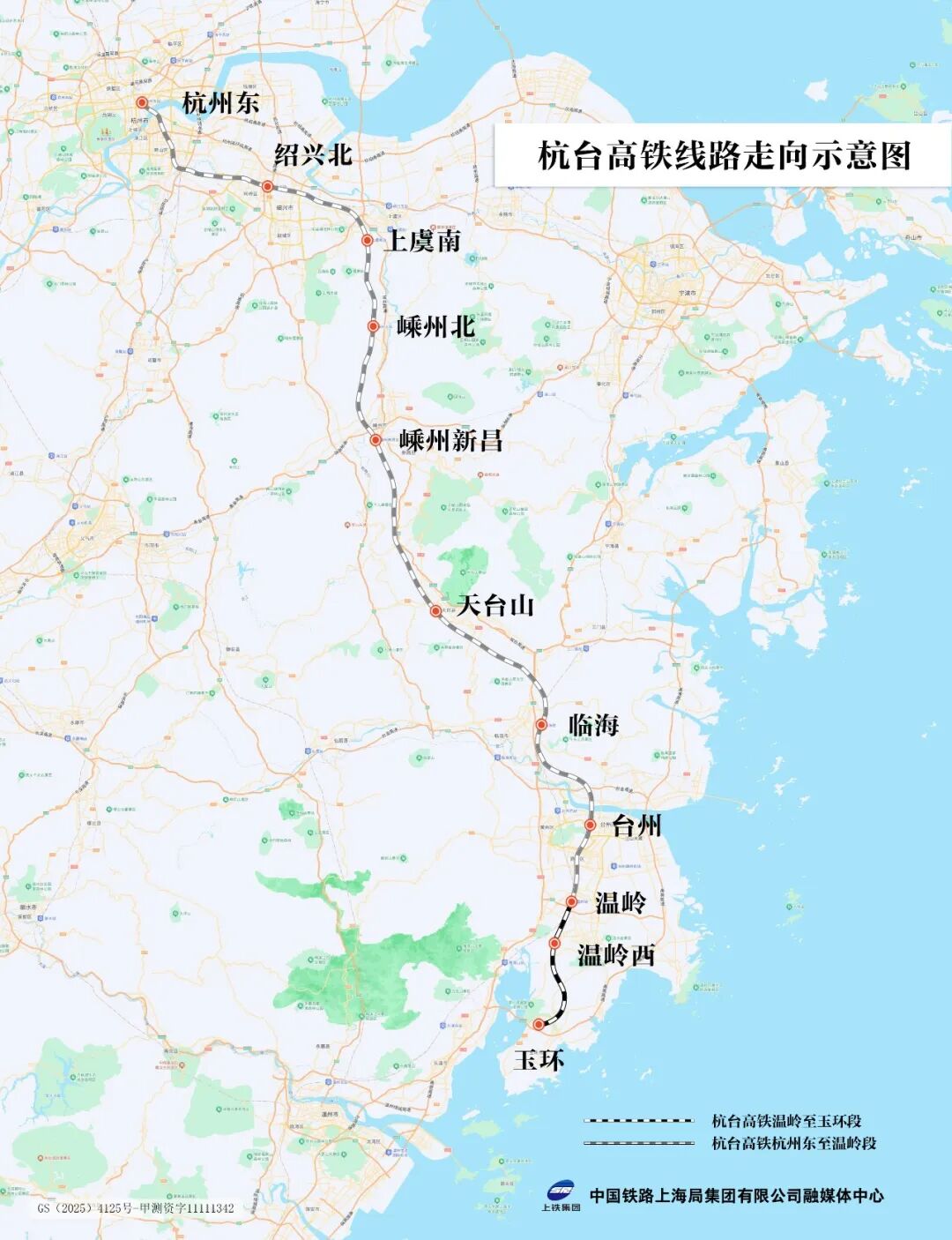 温玉段位于台州市南部,途经温岭、玉环两地,新建正线长约37公里,设计时速350公里。
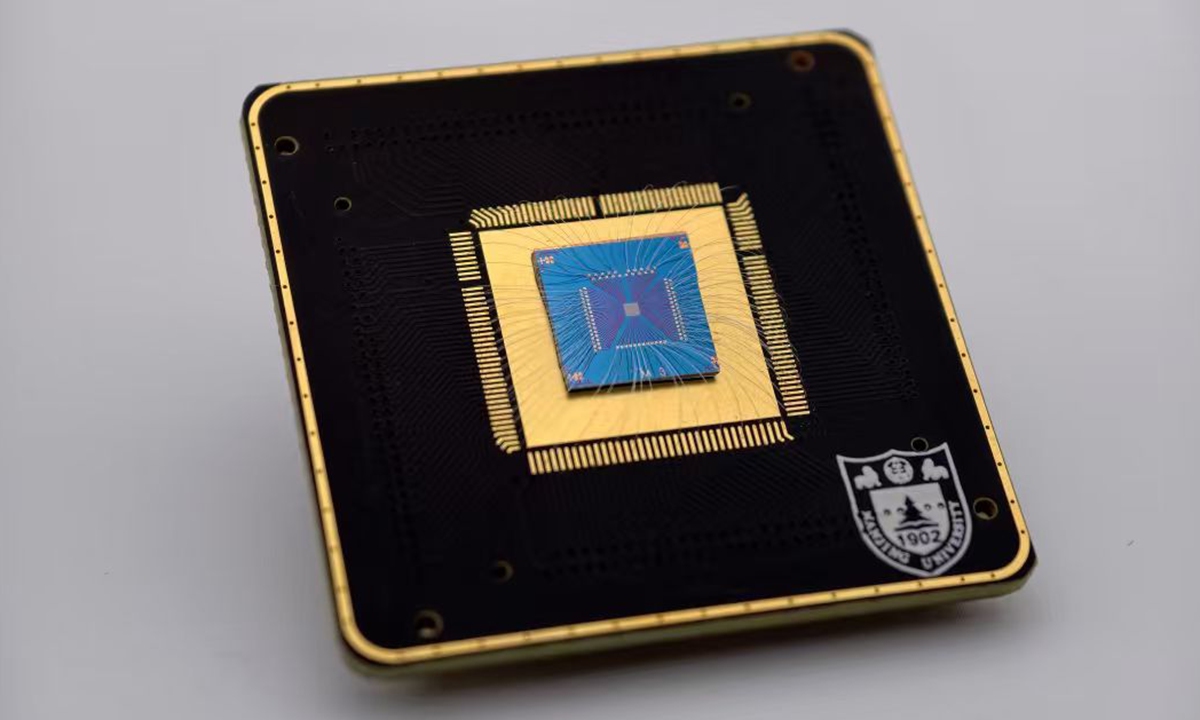
The new ultra-low-power intelligent vision sensor chip "LightTok" developed by a research team from Nanjing University. Photo: from Science and Technology Daily
A Chinese research team from Nanjing University has developed a new ultra-low-power intelligent vision sensor chip, dubbed "LightTok," that can convert light signals into tokens within the sensor, significantly reducing the high energy consumption caused by frequent transfers of massive amounts of redundant data, the principal investigator told the Global Times.
According to a release from the Institute of Brain-Inspired Intelligence of Nanjing University, tokens generated by the LightTok chip can be directly fed into a Transformer encoder for image recognition.
"Our design idea was to move token generation onto the sensor itself, allowing the chip to directly produce tokens that AI models can process once light reaches the sensor," Miao Feng, director of the Institute of Brain-Inspired Intelligence at Nanjing University, told the Global Times on Thursday. "These tokens contain complete image information."
Physical AI refers to intelligent systems capable of autonomously perceiving, reasoning, acting and receiving feedback in the real world, representing a key pathway for AI to move from the digital realm into the physical world. Vision-based physical AI systems powered by large AI models need to convert visual information from real-world environments into tokens that can be processed by AI models before feeding these tokens into Transformers for subsequent tasks.
In traditional visual perception pipelines, light signals must go through multiple stages, including image sensing, analog-to-digital conversion, data buffering and transfer, digital image patching and embedding, before being transformed into tokens that AI models can process. The frequent transfer of massive amounts of redundant data has resulted in high energy consumption at the edge, according to a report by Science and Technology Daily.
The LightTok chip directly addresses a key challenge in physical AI hardware: how to efficiently acquire and tokenize visual information from the physical world with low energy consumption, Miao said.
The LightTok chip consists of a photosensitive memory array and peripheral circuits. The team built the array based on single-layer molybdenum disulfide (MoS₂) floating-gate phototransistors, with each pixel capable of sensing light, storing information and performing analog computing. By processing optical information directly within the chip, the device can convert captured visual signals into tokens for AI models, according to the research team.
The current LightTok prototype has a resolution of 32×32 pixels, or 1,024 photosensitive pixels, which is still smaller than that of smartphone cameras and industrial imaging systems. However, Miao said the technology is compatible with CMOS manufacturing processes and can be scaled up. With wafer-level growth of molybdenum disulfide materials, the chip could potentially achieve a scale comparable to existing imaging devices.
Miao said the chip also draws inspiration from the information-processing mechanism of human vision. Similar to how the retina extracts key visual information before transmitting it to the brain, the chip also aims to process visual information at an early stage.
The research was conducted in collaboration with another research team from the National University of Singapore. The findings were published on Wednesday in Nature Sensors, an internationally renowned journal in the field of sensing technology, according to the release.
Potential applications for LightTok include drone systems, autonomous remote sensing and small-scale embodied AI systems, Miao said. In these scenarios, devices need to continuously detect, understand and track targets, generating massive amounts of visual data. By reducing the energy required for visual processing, the technology could extend the operating time of drones, satellites and small robots with limited power supplies, the expert said.
。

二 | 全线设温岭、温岭西、玉环3座车站,其中温岭站为改建既有车站,温岭西站、玉环站为新建车站。

三 | 杭台高铁温玉段于2022年11月全面开工建设,2024年12月全线隧道贯通,2025年6月完成架梁,2025年12月完成全线铺轨,2026年4月开始静态验收,6月启动联调联试,7月转入试运行阶段。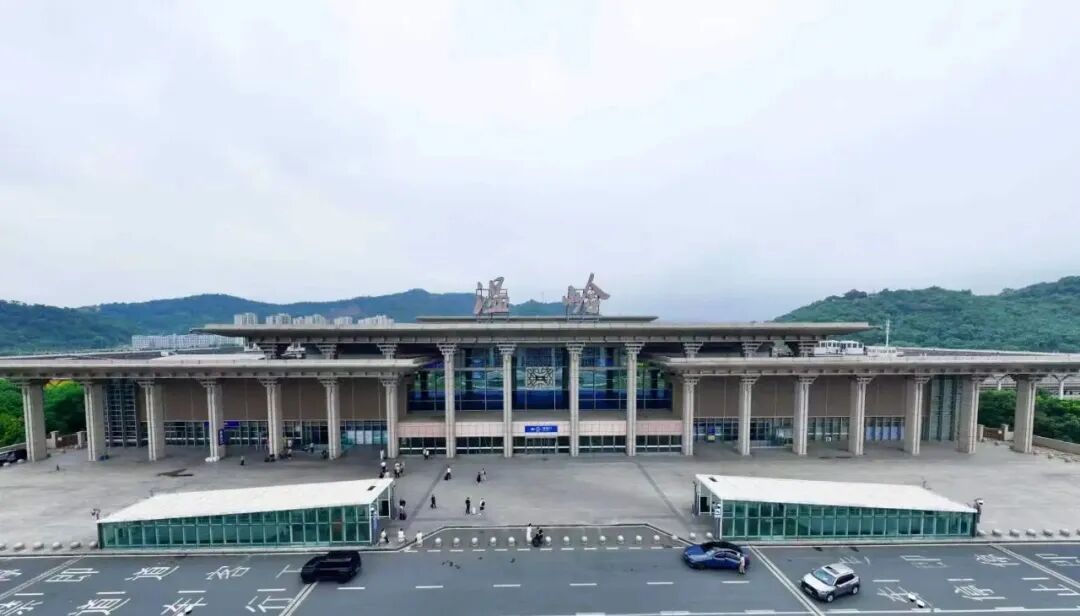 ▲温岭站
▲温岭站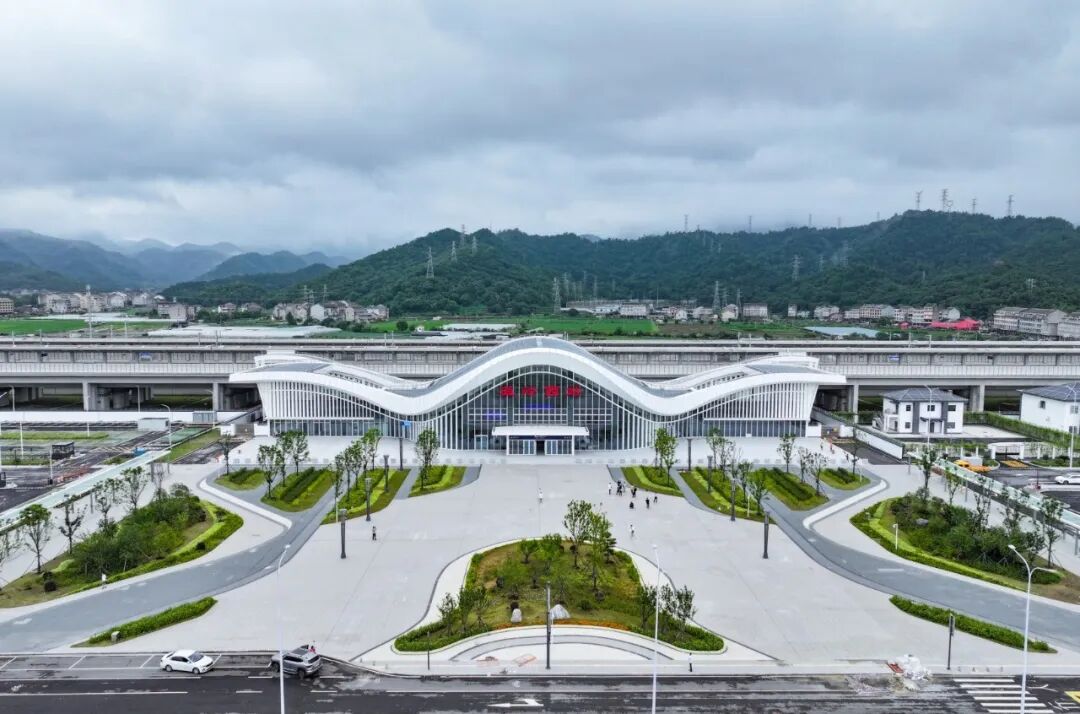 ▲温岭西站
▲温岭西站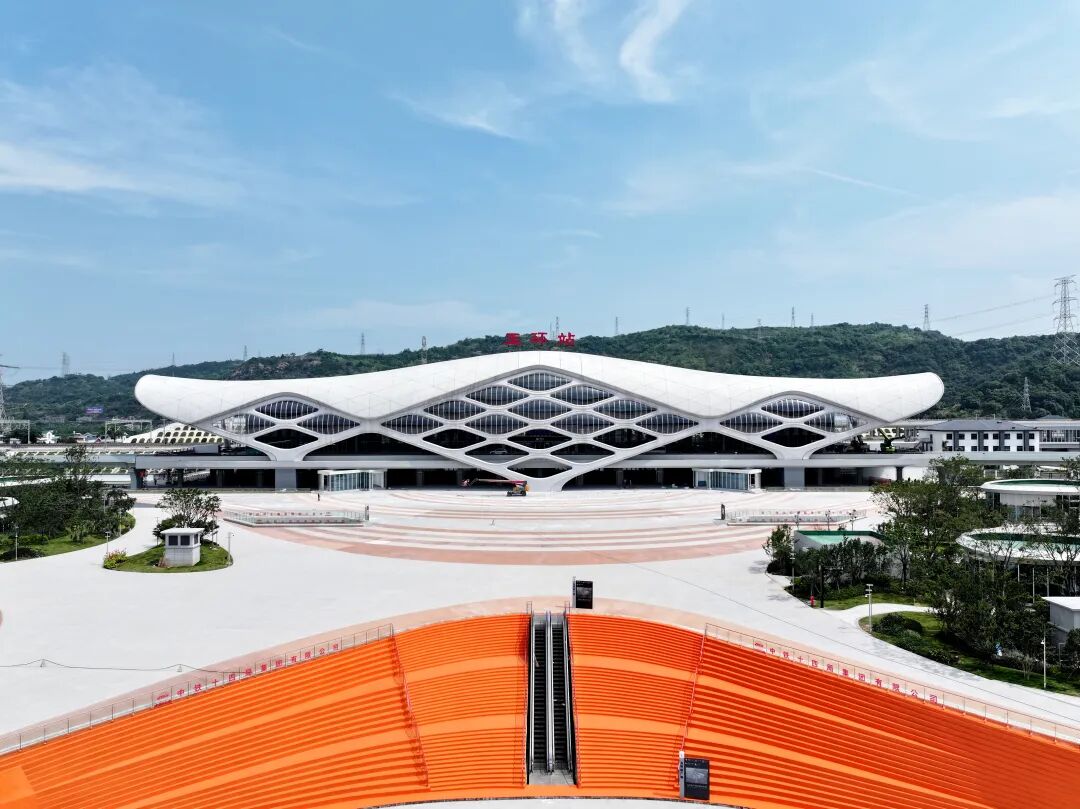 ▲玉环站◆ 杭台高铁温玉段开通运营初期,每日开行图定动车组列车16列。

四 | ◆ 玉环站至温岭站、台州站、绍兴北站、杭州东站、上海南站分别最快13分钟、26分钟、1小时26分钟、1小时47分钟、3小时03分钟可达。◆ 铁路部门将根据市场需求和客流变化,灵活动态调整列车开行方案,更好满足沿线人民群众出行需要。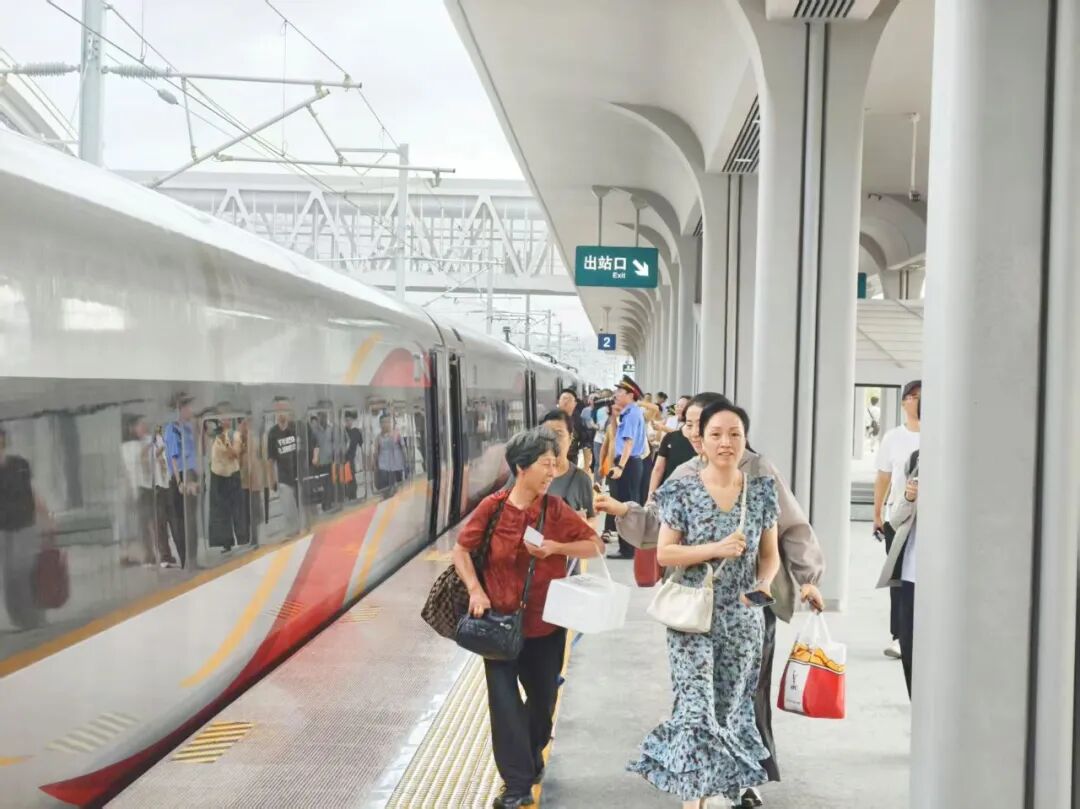 杭台高铁串起黄金旅游线杭州出发看海又有新选择杭台高铁北接沪昆、合杭、宁杭、杭昌高铁,南连杭深铁路,途经嵊州、新昌、临海、温岭等地,串联天台山、天姥山等风景名胜,与“浙东唐诗之路”高度契合,被誉为“诗路高铁”,是一条黄金旅游线。
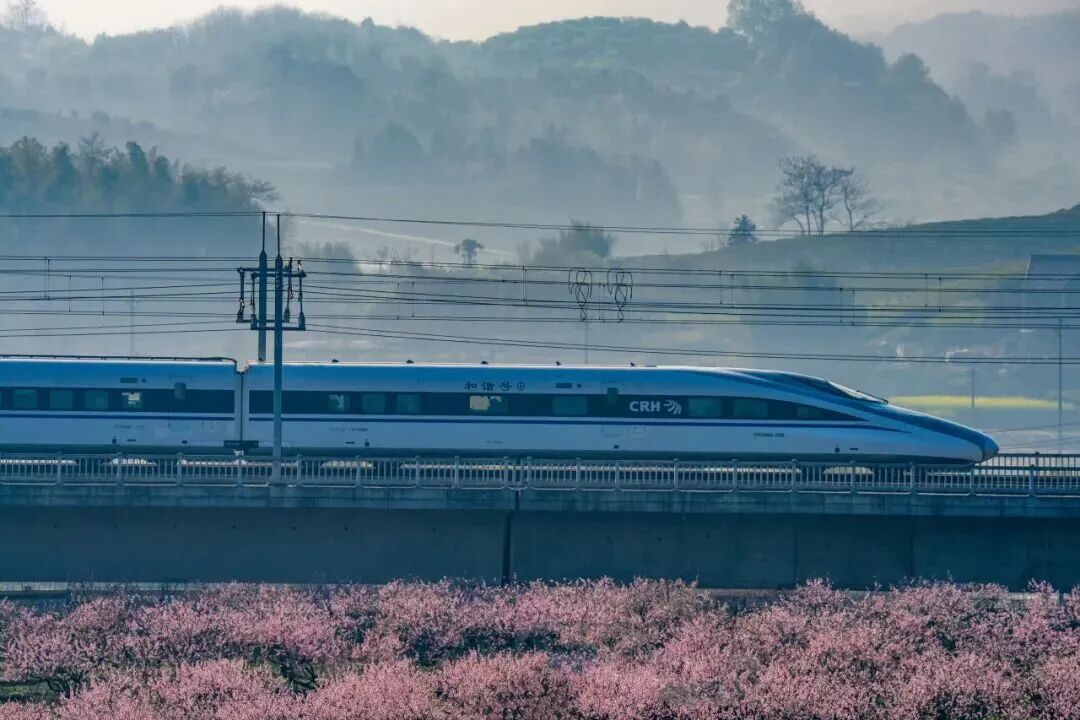 图片/中国铁路 杭台高铁自2022年1月开通以来,杭台高铁累计客流已突破1亿人次,2022年至2025年客流分别为700万人次、1800万人次、2500万人次和3500万人次,连续四年保持快速增长态势,有力促进了沿线人流、物流、资金流、信息流高效流动。温玉段的开通运营,将进一步释放杭州至玉环全线贯通的路网优势,“浙东唐诗之路”与玉环的大鹿岛、漩门湾国家湿地公园等滨海旅游资源相连,实现“从诗词山水到碧海蓝天”的文旅串联融合,杭州人可以一路坐火车到玉环,实现玩海自由。
 图片/玉环发布作为长三角铁路联网、补网、强链的项目之一,杭台高铁温玉段将浙江省高铁交通圈进一步扩展到台州东南沿海,对于加快打造浙江省1小时高铁交通圈,完善区域路网结构布局,促进沿线文旅产业融合发展,助力浙江高质量发展建设共同富裕示范区等具有重要意义。资料/上铁集团。

五 |
Current article:http://www.laojiusidaosenleliao.bond/4z1/20260826/5633.ppt
Published on:02:05:59
